My eQuals route guide
My eQuals Degree and Transcript Review Path
A review-led guide to My eQuals degree and transcript files, explaining what they can help with, where uncertainty remains, and how to prepare the right academic pack before intake.
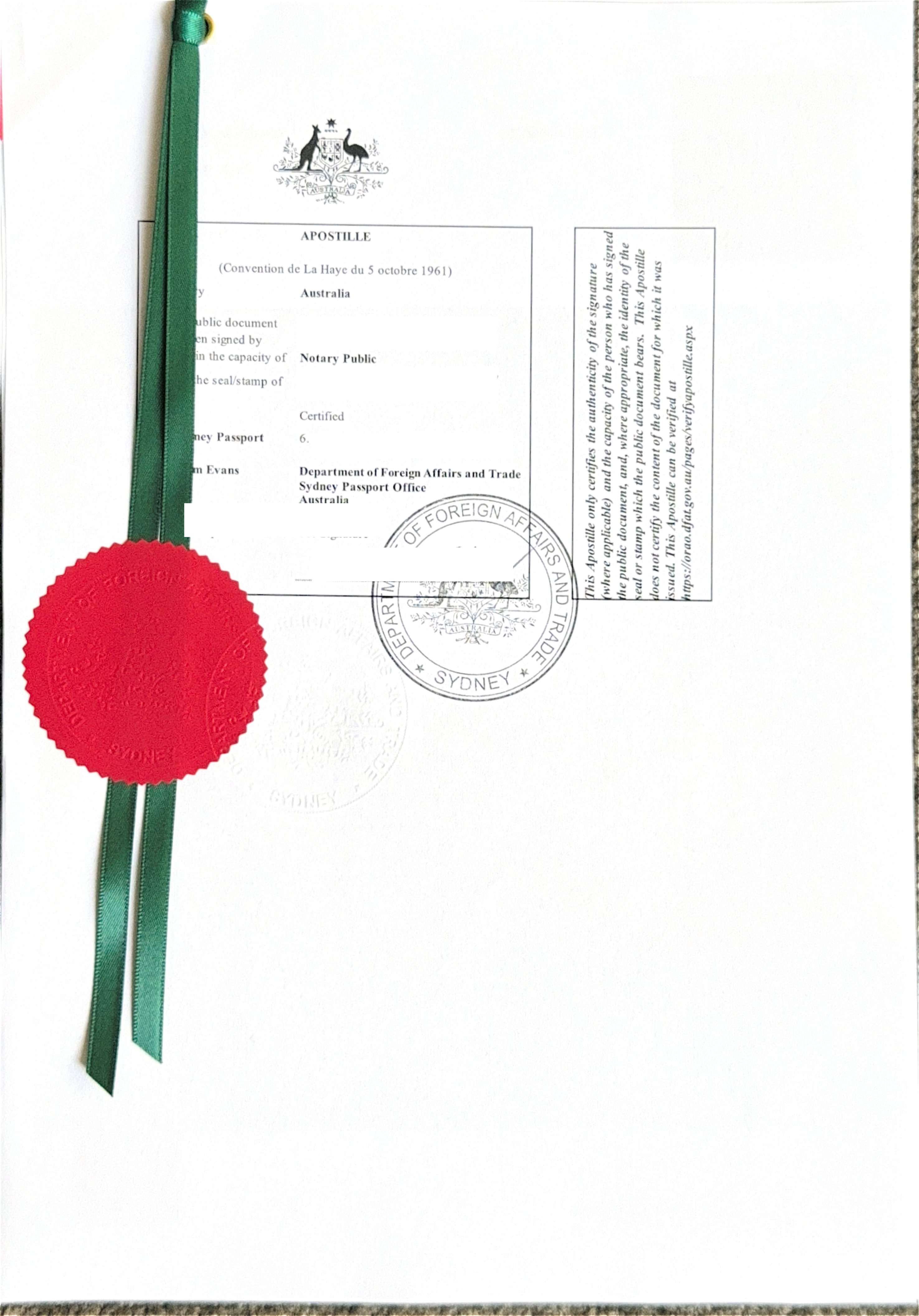
This guide is written for people who already have the document, or are about to obtain it, and need a practical answer rather than a generic description of international legalisation. The useful starting point is usually not the search term itself, but the actual file in hand, the country where it will be used, and the authority that will receive it.
In practice, my equals degree and transcript review path matters are rarely solved by one label alone. Some files move relatively cleanly once the correct document version is identified. Others change route because of translation, document condition, notarial handling, destination wording, or the need to review a wider pack. That is why this guide treats the route as something confirmed after review, not assumed in advance.
Key points summary
- My eQuals can improve source clarity, but it is not a guarantee of destination acceptance.
- The review question is usually whether the receiving authority accepts the digital-origin academic file in the proposed route.
- A complete degree-plus-transcript pack is often stronger than one file alone.
What apostille / authentication usually means here
In broad terms, an apostille is used under the Hague Apostille Convention to authenticate the origin of an eligible public document for use in another participating jurisdiction. In Australian practice, DFAT handles apostilles and authentications for eligible documents, but that does not mean every file a client holds is automatically ready for that stage.
The working issue is usually whether the document is the correct document class, whether it carries the right issuing structure, and whether the destination authority is actually asking for an apostille route, an authentication route, or some broader legalisation sequence. That is why this guide treats the route as review-led rather than keyword-led.
Who this guide is for
- Students and graduates holding My eQuals academic records for overseas study, work, licensing, or migration.
- Users unsure whether a share link, downloaded file, or institution-issued PDF is the best starting file.
- Applicants trying to move from a My eQuals record into route check or intake without overcommitting to one route label too early.
What this document or record usually is
Degree Certificate routes usually start with the document class itself. The useful first question is whether the file is the formal, issue-ready version usually accepted for overseas use rather than a ceremonial, outdated, damaged, or informal copy.
For Overseas use use or broader overseas use, the document is commonly being reviewed as a public record first and a destination-use file second. That is why issue format and record provenance matter more than generic route wording.
Where names, dates, translations, or supporting identity records are involved, the document often needs to be reviewed as part of a wider filing pack rather than as a standalone page.
Common document types covered
- My eQuals degree records
- My eQuals transcripts
- Academic packs that combine degree, transcript, and completion evidence
Typical route overview
The My eQuals review path usually begins with source verification and destination fit. The key issue is whether the file in hand is an institution-issued record in a format that the receiving side can work with and whether a legalisation route is even the correct next step.
Some matters remain straightforward once the academic pack is clear. Others need extra review because the receiver wants direct source verification, a paper issue path, a translation, or a broader document set.
- My eQuals is useful when it shows a clear institution-issued source.
- A downloaded file should still be checked for completeness and provenance.
- Route confirmation remains subject to review of the destination authority and use case.
What we usually need before review
- My eQuals share, issuer PDF, or the clearest academic file available
- Destination country and receiving authority or institution if known
- Any wording that refers to apostille, authentication, attestation, verification, or translation
- Whether the receiver wants both the degree and the transcript
Digital / My eQuals notes
My eQuals is most helpful where it creates a clear chain back to the issuing institution.
A screenshot or informal portal capture is not the same as an issuer-generated record.
What My eQuals helps with
My eQuals often makes the source path clearer because it can show that the record comes directly from the issuing institution.
That clearer provenance can reduce uncertainty at review, but it does not remove the need to check destination acceptance and route wording.
Where My eQuals does not answer the whole problem
A clean digital source does not automatically tell you whether the receiver wants apostille, authentication, direct verification, hard copy, translation, or a wider academic pack.
That is why My eQuals should be treated as part of the route evidence, not the final route answer by itself.
Common rejection risks or review flags
- Using the wrong degree certificate version or assuming an older copy is automatically good enough for overseas use.
- Starting translation or lodging based on a destination assumption before the receiving authority or use case is clear.
- Missing supporting identity, name-alignment, or destination-side requirement details that change the route after review.
What customers should prepare before intake
- Clear scan of the document front and back, or the digital file if the issuer supplied one
- Destination country and the authority, employer, university, registry, or other body that will receive it in Overseas use
- Any instruction that mentions apostille, authentication, legalisation, attestation, translation, embassy, or notarisation
- Any supporting identity or company record that affects names, dates, or corporate details on the file
Timeline notes
My eQuals routes are usually faster to review when the academic pack is complete and the receiver instruction is clear.
Any timing discussion before review should be treated as indicative only because destination-side expectations vary.
Fee notes
Fees depend on the confirmed route and whether extra academic, translation, or paper-issue handling is required.
EGS does not claim to be the issuing institution or certifying authority.
When extra steps may be required
- Some destinations still want hard-copy or direct-source checks.
- Transcript completeness and page integrity matter.
- A degree alone may not be enough where the receiving side wants the full academic pack.
下一步
在阅读之后,把判断推进到 route check 或 intake
Typical next step
Before paying for a route, prepare the exact document version you have, identify the receiving country and authority, and move into route check so the file can be assessed against the actual destination requirement.
What to prepare before intake
- Clear scan of the document front and back, or the digital file if the issuer supplied one
- Destination country and the authority, employer, university, registry, or other body that will receive it in Overseas use
- Any instruction that mentions apostille, authentication, legalisation, attestation, translation, embassy, or notarisation
- Any supporting identity or company record that affects names, dates, or corporate details on the file
Route uncertainty note
A route cannot be confirmed safely from the document name alone. Final handling is typically confirmed after review of the document version, destination, receiver instructions, and any extra requirement such as translation, notarisation, or consular follow-up.
 Australian Academic Document for Use in Singapore
Frequently asked questions
Is a My eQuals file automatically ready for overseas use?
Not automatically. It can be a strong source file, but the destination route still depends on the receiving authority and the document pack required.
Should I still upload my transcript if I already have the degree on My eQuals?
Often yes. Many receiving authorities prefer to review the degree and transcript together.
Does EGS guarantee a My eQuals file will be accepted?
No. EGS coordinates review and handling, but acceptance remains subject to the receiving authority’s own rules.
Compliance note
EGS is an independent administrative intermediary only. EGS is not a law firm, not a public notary, not a government authority, and does not provide legal advice. Route outcomes depend on the issuing country, destination country, authority rules, and the exact document setup reviewed.